Theo Moonlight 1.1
High fidelity image renders on our own hardware.
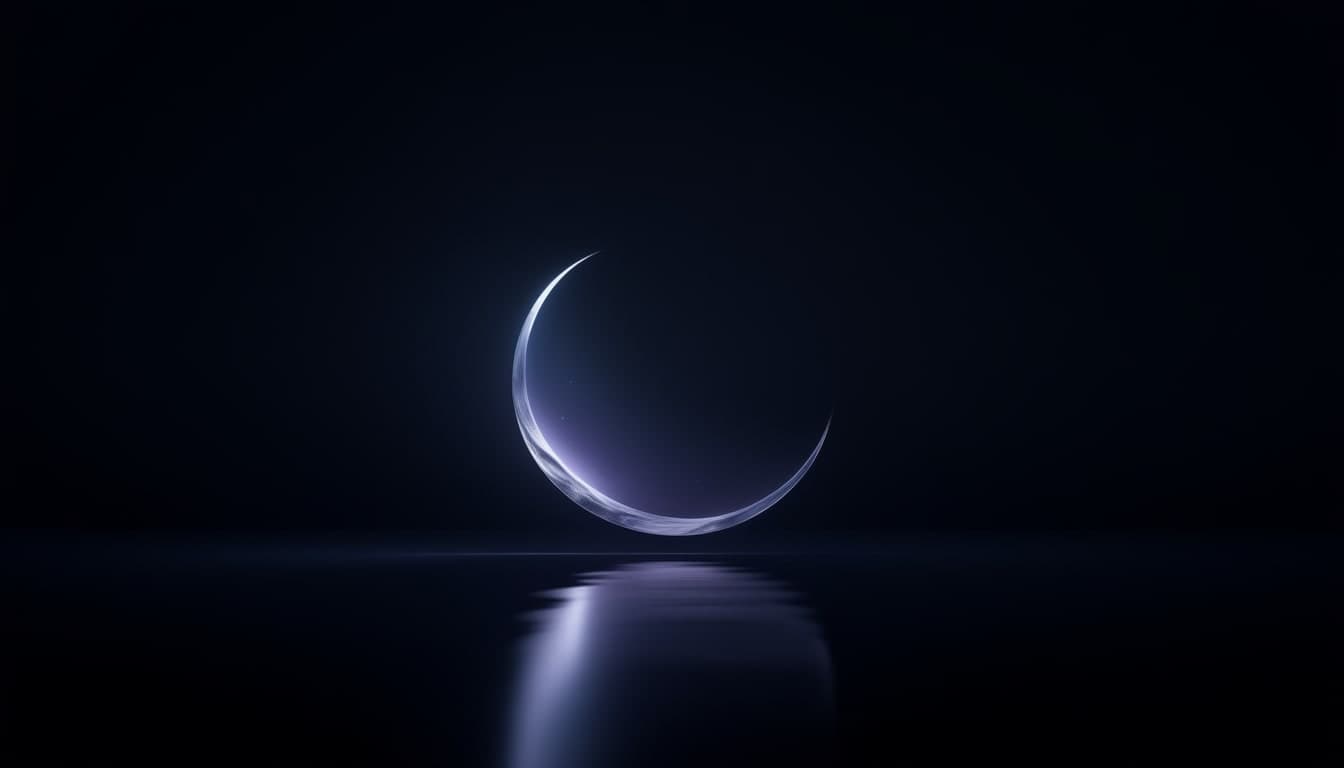
Theo Moonlight is the image engine OpenCharts runs itself: Theo's own text-to-image engine, served from hardware we operate, with a prompt screen before every render and an output classifier after it. It lives inside Theo Stealth, where fidelity is the whole point, and it is the one engine there that carries the Theo name because it is the one we run.
- Render time
- 33 seconds
- Measured Sep 15, 2026
- Output
- About 1 megapixel
- Measured Sep 15, 2026
- Safety review round
- 11 of 12 verdicts correct
- Measured Sep 16, 2026
What it does
In plain words
- Renders about one megapixel from a written prompt, at seven aspect ratios from square to 16:9.
- Honours a negative prompt, so a do-not-do-that instruction genuinely steers the picture.
- Stays the same between renders. The engine changes only in a deliberate, versioned release, never by drift.
- Is picked by name in the Stealth Engine menu and never silently swapped for a partner engine. If our hardware is down, you see an error, not a quiet reroute.
How it works
4 steps, every one of them ours to explain
01
Your prompt is screened first
Before anything is rendered, the prompt passes a screen that reads the whole request rather than matching a word list. A refusal costs nothing and reads the same whatever the reason.
02
The render runs on our hardware
Dedicated hardware that OpenCharts operates produces the picture at full quality, at a resolution chosen for the aspect ratio you asked for. Nothing about the render leaves hardware we run.
03
Every image is classified before you see it
An output classifier checks the result. It fails closed: if the detector cannot answer, the render is refused rather than shown.
04
The render is kept briefly for review
Because we run Moonlight ourselves, the prompt and the image are retained for a limited time so a small team can confirm the controls are working. Never used for training, never sold or shared for advertising, access restricted and logged.
Measured
Our numbers, with their dates
Measurements on our own hardware, not benchmark scores. Each one says what it is of, when it was taken and where it came from, and is re-measured rather than extrapolated when something changes.
- Render time
- 33 seconds
- A 1024 by 1024 image at the default quality setting.
- Measured Sep 15, 2026 · Measured on our own hardware
- Output
- About 1 megapixel
- Seven aspect ratios from 1:1 to 16:9, each around one million pixels.
- Measured Sep 15, 2026 · Engine configuration
- Safety review round
- 11 of 12 verdicts correct
- Zero misses and one false positive on the output classifier in the latest human review.
- Measured Sep 16, 2026 · Human review of a labelled render corpus
Safety and retention
The controls we run, stated
A model we run is a model we are accountable for. These are the mechanisms in front of and behind Theo Moonlight, and what is kept.
- A prompt screen runs before every render, including prompts an assistant rewrote, so a rewriter cannot launder a refused prompt.
- An output classifier runs after every render and fails closed: no answer from the detector means no image.
- The screen blocks the intersection of sexual and apparently-minor cues. A lawful adult prompt is not blocked for brushing a word.
- One refusal message for every reason, so the control cannot be probed by watching which message comes back.
- Refused requests are recorded against the account, without the prompt.
- Renders and prompts are kept for a limited time for review. Material connected to a child-safety report is kept longer because the law requires it.
Where it runs
The facts of the deployment
What you can hold us to: where Theo Moonlight runs, how it is versioned, what happens to what you send it, and what is kept.
- Hardware
- Dedicated hardware that OpenCharts operates
- Versioning
- The engine changes only in a deliberate release, never by drift
- Your prompt
- Never sent to a third-party model provider
- Retention
- Prompt and image kept briefly for safety review, then deleted
Where to find it
In Theo today, elsewhere as it becomes real
Theo Stealth
Open Theo Stealth and pick Theo Moonlight in the Engine menu. It is pinned to the top whenever our hardware is answering, and omitted, never greyed, when it is not.
- LiveInside Theo. In Theo Stealth today. Open
- PlannedPublic API. A metered endpoint with the same prompt screen and output classifier in front of it.
- PlannedThird-party arenas. Follows the public API: arenas rank publicly callable models.
Questions
About Theo Moonlight
Stealth is the surface built for fidelity, where the slowest engine we offer is a fair trade for the most control. Moonlight is that engine: our own hardware, full-quality renders, a versioned engine that changes only on release. Everywhere else, Theo orchestrates faster lab engines and shows which one answered.
It runs end to end on hardware OpenCharts operates. The render pipeline, the prompt screen, the output classifier, the negative-prompt handling and the retention policy are ours, no part of a render leaves hardware we run, and the engine is versioned by us and changes only when we release it.
Because we run it ourselves, we are directly accountable for what it makes. Every Moonlight render is retained with its prompt for a limited time so a small team can confirm the safety controls are working. It is never used for training, never sold, and the picker names Moonlight clearly so the choice is yours.
Moonlight renders at full quality on our own hardware, about 33 seconds for a megapixel. That is the cost of fidelity and of running the engine ourselves, and it is deliberate: Moonlight is the engine where fidelity is the entire point.
Built here, measured here, shown here.
One of these engines is in Theo today, and every one says what it is. Theo picks the right engine for each step and always shows which one answered.